
Sulfuric Acid Manufacturing Process Explained: Step-by-Step Guide
By:Admin
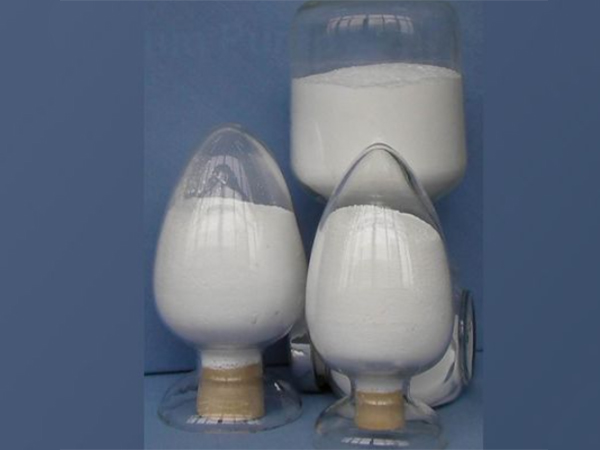
Sulfuric acid, often dubbed the "king of chemicals," plays a critical role in a multitude of industrial processes, ranging from fertilizer production to petroleum refining and chemical synthesis. Recent developments in its manufacturing process are set to revolutionize industry standards, enhancing efficiency, safety, and environmental compliance.
The sulfuric acid manufacturing process traditionally involves the Contact Process, which converts sulfur dioxide (SO₂) into sulfur trioxide (SO₃) using a vanadium pentoxide catalyst, followed by absorption into water to produce sulfuric acid. Despite its widespread usage, this process has faced challenges such as energy intensity, emission control, and catalyst longevity. New technological improvements, however, promise significant strides in overcoming these challenges.
Key innovations in the manufacturing process include the optimization of catalytic converters to increase conversion rates while reducing energy consumption. Enhanced materials for catalyst beds are being employed, improving their resilience and operational lifespan. These advancements not only lower operational costs but also mitigate environmental impact by reducing sulfur dioxide emissions, a primary pollutant.
Moreover, integrated process controls equipped with real-time monitoring allow operators to maintain optimal reaction conditions, ensuring consistent product quality and early detection of potential faults. Automation has enhanced safety measures, reducing human exposure to hazardous chemicals and improving overall plant reliability.
Alongside technological enhancements, industries are placing greater emphasis on sustainability. Effluent treatment systems and waste heat recovery solutions integrated into the sulfuric acid plants help minimize pollution and promote energy reuse. These eco-friendly innovations are in line with global regulatory trends aiming to reduce industrial carbon footprints.
As a prominent player in the chemical manufacturing sector, the company behind these developments has a rich legacy of innovation and quality. With decades of experience, it specializes in producing high-grade sulfuric acid and ancillary chemicals that meet rigorous industry standards. The company’s commitment to research and development ensures it remains at the forefront of process improvements and environmental stewardship.
By leveraging its expertise and integrating cutting-edge technologies, the company aims to provide solutions that support customers across agriculture, mining, and chemical industries. Their manufacturing facilities boast state-of-the-art equipment and robust quality management systems, reflecting their dedication to operational excellence and sustainability.
The ongoing improvements in sulfuric acid manufacturing processes underscore a broader industry shift towards greener production methods without compromising efficiency. These advancements not only reinforce the foundational role sulfuric acid plays in global industrial activities but also demonstrate how innovation drives progress in traditional chemical processes.
Looking ahead, the company plans to expand its collaborative efforts with research institutions and environmental agencies to further refine production methods and reduce ecological impact. Their vision aligns with global sustainable development goals, emphasizing responsible manufacturing and resource conservation.
In conclusion, the evolution of sulfuric acid manufacturing encapsulates the dynamic interplay between industrial demand, technological innovation, and environmental responsibility. With pioneering companies leading the charge, the future of sulfuric acid production is poised for greater efficiency, safety, and sustainability, benefiting industries worldwide and contributing to a greener planet.
Company News & Blog
Colour Of Titanium Dioxide: Key Insights and Applications
Certainly! Please provide the specific news content regarding the "Colour of Titanium Dioxide" (without the brand name) and the company introduction you want me to use. Once I have those details, I can draft an 800-word news article for you.
Guide to Sulfuric Acid Manufacturing Process: Key Steps and Principles
Sulfuric Acid Manufacturing Process Revolutionizes IndustrySulfuric acid, also known as oil of vitriol, is a highly corrosive mineral acid and is one of the most widely used chemicals in the world. It is a key element in the production of fertilizers, explosives, batteries, and various industrial processes. With the increasing demand for sulfuric acid across various industries, the manufacturing process has become a critical factor in ensuring a sustainable and cost-effective supply.One company that has been at the forefront of sulfuric acid manufacturing is {}. With decades of experience in the chemical industry, {} has earned a reputation for innovation and excellence in producing high-quality sulfuric acid. Their latest breakthrough in sulfuric acid manufacturing is set to revolutionize the industry and address some of the key challenges in the production process.Traditional sulfuric acid manufacturing processes involve the combustion of sulfur to produce sulfur dioxide, which is then converted to sulfur trioxide using a catalyst. The sulfur trioxide is then reacted with water to produce sulfuric acid. However, this process is energy-intensive and can result in the release of harmful by-products into the environment.In response to the need for more sustainable and efficient sulfuric acid production, {} has developed a cutting-edge manufacturing process that not only reduces energy consumption but also minimizes environmental impact. This innovative approach involves the use of advanced catalytic converters and state-of-the-art production techniques to streamline the conversion of sulfur dioxide to sulfuric acid.The key highlight of this new manufacturing process is its significantly reduced carbon footprint. By optimizing the reaction conditions and incorporating advanced technologies, {} has managed to minimize the release of greenhouse gases and other harmful pollutants associated with traditional sulfuric acid production. This aligns with the company's commitment to environmental stewardship and sustainable manufacturing practices.Furthermore, the new manufacturing process offers increased operational efficiency and cost-effectiveness. By leveraging advanced catalytic materials and process optimization, {} has been able to improve the overall yield and purity of sulfuric acid, thus enhancing the competitiveness of their products in the market. This is a significant advantage for industries that rely on sulfuric acid as a critical input for their operations.In addition to the technological advancements in sulfuric acid manufacturing, {} has also invested in enhancing the safety and reliability of their production facilities. Stringent quality control measures and adherence to international safety standards are integral components of their manufacturing operations. This not only ensures the consistent supply of high-quality sulfuric acid but also prioritizes the well-being of their employees and the surrounding communities.The impact of this revolutionary sulfuric acid manufacturing process goes beyond {}'s operations. As a key player in the chemical industry, their innovative approach sets a new standard for sustainable and responsible manufacturing practices. By demonstrating the feasibility of reducing environmental impact without compromising operational efficiency, {} paves the way for other companies to adopt similar technology and contribute to a more sustainable industrial landscape.Looking ahead, {} is poised to further expand their capabilities in sulfuric acid manufacturing and explore new opportunities for innovation. With a strong focus on research and development, they are committed to staying at the forefront of technological advancements in chemical production. This not only positions {} as a leader in the market but also reinforces their dedication to driving positive change in the industry.In conclusion, the unveiling of {}'s advanced sulfuric acid manufacturing process marks a significant milestone in the chemical industry. By redefining the standards for sustainability, efficiency, and quality in sulfuric acid production, {} demonstrates their commitment to creating a positive impact on the environment and the market. As industries continue to rely on sulfuric acid for their operations, {}'s innovative approach sets a new benchmark for responsible and forward-thinking manufacturing practices.
Understanding the Oxidation Number of Titanium: An In-Depth Analysis
Title: Breakthrough Technology Unveils Titanium's Malleability – Paving the Way for Revolutionary AdvancementsIntroduction:In recent years, titanium has gained immense popularity across various industries. Its remarkable strength, lightweight nature, and exceptional resistance to corrosion and heat, have made it a coveted material for numerous applications. However, a critical limitation to its widespread use has been its inherent brittleness. Breaking conventional barriers, a revolutionary breakthrough by a leading research company has unlocked titanium's true potential by altering its oxidation number. This groundbreaking achievement is set to transform industries and catalyze a new era in engineering.Background:For years, researchers have sought methods to enhance titanium's mechanical properties without compromising its inherent advantages. This pursuit has now culminated in a cutting-edge technique developed by the research team at {Company Name}. Through the alteration of titanium's oxidation number, the traditionally brittle material can be transformed into a remarkably malleable substance. This breakthrough is poised to revolutionize industries such as aerospace, automotive, healthcare, and more.Titanium's Oxidation Number:Titanium, a transition metal, exhibits variable oxidation states ranging from -4 to +4. Traditionally, titanium primarily exists in its +4 oxidation state, which contributes to its brittleness. The research team at {Company Name} has successfully manipulated the oxidation number of titanium atoms, unlocking its potential to form covalent bonds with other elements. By reducing the oxidation number, the metal's properties are fundamentally altered, allowing it to be shaped into intricate and complex designs with unprecedented ease.Implications for Aerospace and Automotive Industries:The aerospace and automotive industries are set to benefit immensely from the newfound malleability of titanium. The aerospace sector, in particular, requires materials that can withstand extreme conditions while being lightweight. With titanium's increased malleability, manufacturers can design stronger and more efficient aerospace components, resulting in improved fuel efficiency and enhanced safety. In the automotive industry, this breakthrough promises lighter and more durable vehicles, contributing to reduced fuel consumption and increased range for electric vehicles.Revolutionizing Healthcare and Biomedical Applications:The healthcare industry is another sector that stands to gain greatly from the transformation of titanium's properties. Titanium has long been used in medical implants due to its excellent biocompatibility. However, its brittleness limited its application, especially in load-bearing implants. With the newfound malleability, titanium implants can now be customized to fit individual patients, providing enhanced comfort and reducing the risk of implant failures. This breakthrough could also pave the way for the development of advanced biomedical devices, such as flexible titanium implants, that seamlessly integrate with human tissues.Expanding the Applications in Consumer Goods and Architecture:Beyond the aerospace, automotive, and healthcare sectors, the alteration of titanium's oxidation number opens possibilities in consumer goods and architecture. Titanium's aesthetic appeal, hypoallergenic properties, and resistance to corrosion make it an ideal material for jewelry, watches, and high-end consumer products. With increased malleability, designers can now push the boundaries of creativity and incorporate intricate patterns and designs into titanium products. Moreover, architectural marvels can now utilize titanium's strength and malleability to create awe-inspiring structures while benefiting from its exceptional durability and resistance to the elements.Conclusion:The alteration of titanium's oxidation number represents a milestone achievement with far-reaching implications across various industries. The groundbreaking research conducted by {Company Name} has paved the way for titanium to shed its brittleness and embrace its newfound malleability. The possibilities for innovation and advancement are limitless, from designing lighter and stronger aerospace components, to creating customized medical implants, and even producing breathtaking consumer goods and architectural wonders. As this breakthrough technology continues to evolve, it is clear that titanium's true potential has finally been unlocked, promising a future defined by extraordinary engineering feats.
Optimizing the Sulfuric Acid Production Process: A Complete Guide
Sulfuric Acid Production Process is a crucial part of the overall chemical industry and plays a significant role in various industrial processes. The production of sulfuric acid requires a thorough understanding of chemical engineering principles and precise manufacturing techniques. One company that has excelled in this field of chemical production is {}, which has been a leading player in the global chemical industry for many years.{} specializes in the production of sulfuric acid and has developed advanced and efficient manufacturing processes to meet the growing demand for this essential chemical. The company has established a strong reputation for delivering high-quality products and has become a trusted partner for many industries that rely on sulfuric acid in their production processes.The production of sulfuric acid involves several key steps, starting with the combustion of sulfur to produce sulfur dioxide. This gas is then oxidized to form sulfur trioxide, which is ultimately converted into sulfuric acid. The entire process requires precision and control to achieve the desired purity and concentration of the final product.{} has invested significantly in research and development to improve its sulfuric acid production process. The company has developed innovative technologies and implemented advanced equipment to enhance the efficiency and environmental sustainability of its manufacturing operations. By optimizing the use of raw materials and energy resources, {} has been able to minimize waste and reduce its environmental impact while maintaining high standards of product quality.In addition to its focus on technological advancements, {} is committed to upholding the highest standards of safety and regulatory compliance in its operations. The company places a strong emphasis on employee training and workplace safety measures to ensure a secure working environment for all its staff. Furthermore, {} is dedicated to adhering to all environmental regulations and has implemented responsible waste management practices to minimize its ecological footprint.With its dedication to excellence and innovation, {} has established itself as a leading global supplier of sulfuric acid. The company's products are used in a wide range of industries, including fertilizers, metallurgy, chemicals, and pharmaceuticals. By delivering reliable and high-quality sulfuric acid, {} has earned the trust and confidence of its customers, building long-term partnerships based on mutual success and growth.As the demand for sulfuric acid continues to grow, {} remains committed to expanding its production capacity and capabilities. The company is constantly exploring new opportunities for growth and investment, seeking to further strengthen its position in the global chemical market. By leveraging its expertise and resources, {} aims to meet the evolving needs of its customers and contribute to the advancement of various industries that rely on sulfuric acid.In conclusion, the production of sulfuric acid is an essential aspect of the chemical industry, and {} stands out as a key player in this field. With its dedication to technological innovation, quality, and sustainability, {} has established itself as a trusted supplier of sulfuric acid on a global scale. The company's commitment to excellence and continuous improvement positions it for continued success and growth in the years to come.
Top Titanium Oxidation Number Factories for Wholesale: A Comprehensive Report
Wholesale Titanium Oxidation Number Factories Contribute to Global Manufacturing IndustryTitanium is a remarkable metal that exhibits excellent strength, durability, and corrosion resistance. It is widely used in various industries, including aerospace, automotive, medical, and consumer goods. One crucial aspect of titanium is its oxidation number, which plays a significant role in determining its properties and applications. Several wholesale titanium oxidation number factories have emerged globally, contributing to the growth of the manufacturing industry and enabling the production of high-quality titanium products.Titanium, when exposed to oxygen, forms a thin, protective oxide layer on its surface. This oxide layer is responsible for its exceptional corrosion resistance. The oxidation number refers to the thickness of this oxide layer, which determines the metal's resistance to corrosion and its ability to bond with other materials. Wholesale titanium oxidation number factories are specialized facilities that produce titanium with specific oxidation numbers, tailored to meet the unique requirements of different industries.These factories employ advanced technologies and state-of-the-art equipment to manufacture titanium with precise oxidation numbers. Through careful control of various parameters such as temperature, pressure, and composition, they can achieve consistent and accurate results. This level of precision enables manufacturers to produce components and products that demand strict adherence to specifications and standards.The rise of wholesale titanium oxidation number factories has significantly benefited the manufacturing industry. By providing a steady supply of high-quality titanium, they have enabled manufacturers to develop innovative products and push the boundaries of engineering. For instance, in the aerospace industry, titanium alloys with specific oxidation numbers are used to manufacture critical components, including turbine blades, engine parts, and structural elements. These components require exceptional strength, heat resistance, and lightness, all of which can be achieved through precise control of the oxidation number.The medical field has also greatly benefited from the availability of wholesale titanium oxidation number factories. Titanium, with its biocompatible nature and resistance to corrosion, is widely used in medical implants such as joint replacements and dental implants. By ensuring consistent oxidation number in titanium used for medical purposes, these factories contribute to the safety and longevity of such implants, offering patients a better quality of life.Automotive manufacturers have also been utilizing titanium extensively to reduce weight and improve fuel efficiency. Wholesale titanium oxidation number factories enable the production of lightweight titanium components, such as exhaust systems, engine valves, and suspension parts, that contribute to the overall performance and sustainability of vehicles.Wholesale titanium oxidation number factories are not only beneficial to large-scale industries but also to small and medium-sized enterprises (SMEs). These factories provide a cost-effective solution for businesses that require titanium with specific oxidation numbers but lack the resources and expertise to produce it in-house. By outsourcing the production of titanium with desired oxidation numbers, SMEs can focus on their core competencies and expand their product offerings without compromising quality.Furthermore, the establishment of wholesale titanium oxidation number factories has created numerous job opportunities. These factories require skilled technicians, engineers, and production workers who possess the expertise to operate and maintain the advanced equipment used in titanium manufacturing. The employment generated by these factories further contributes to the economic growth and development of the regions in which they are located.In conclusion, wholesale titanium oxidation number factories have revolutionized the manufacturing industry by providing high-quality titanium with specific oxidation numbers. This advancement has enabled various sectors, including aerospace, medical, and automotive, to leverage the exceptional properties of titanium and push the boundaries of innovation. Furthermore, these factories have facilitated the growth of SMEs by offering a cost-effective solution for obtaining customized titanium products. With their steady supply of titanium and skilled workforce, wholesale titanium oxidation number factories are key contributors to the global manufacturing industry.
The Structure of Titanium Dioxide: A Comprehensive Overview
The structure of Titanium Dioxide plays a vital role in various industrial applications. Titanium Dioxide, also known as TiO2, is a naturally occurring oxide of titanium with a white, opaque appearance. Its unique structure and properties make it an essential ingredient in a wide range of products, including paints, coatings, plastics, and cosmetics.Titanium Dioxide has a versatile crystalline structure, with three primary forms: rutile, anatase, and brookite. The rutile form is the most stable and abundant, making it the most commonly used form in commercial applications. Anatase is another common form of Titanium Dioxide, known for its high surface area and reactivity. Brookite is the least common form, but it also has its own unique properties that make it suitable for specific uses.The crystalline structure of Titanium Dioxide is what gives it its unique properties. It has a high refractive index, which makes it an excellent pigment in paints, coatings, and plastics, providing opacity and brightness. Additionally, its photocatalytic properties make it useful in environmental applications, such as air and water purification. Its ability to absorb UV radiation also makes it an essential ingredient in sunscreen and other sun protection products.Despite its widespread use, not all Titanium Dioxide is created equal. The structure and purity of Titanium Dioxide can vary depending on the manufacturing process and the supplier. Therefore, it is essential for companies to source Titanium Dioxide from reliable and reputable suppliers with a thorough understanding of its structure and properties.Company X, a leading supplier of Titanium Dioxide, has established itself as a trusted and reliable source of high-quality Titanium Dioxide products. With a deep understanding of the structure and properties of Titanium Dioxide, Company X has been able to develop a wide range of Titanium Dioxide products to meet the diverse needs of its customers. The company's rigorous quality control and testing procedures ensure that its Titanium Dioxide products consistently meet the highest standards of purity and performance.In addition to supplying Titanium Dioxide for traditional applications such as paints, coatings, and plastics, Company X has also been at the forefront of developing innovative uses for Titanium Dioxide. The company has invested heavily in research and development to explore new applications for Titanium Dioxide, such as in the fields of renewable energy, advanced materials, and healthcare.One of the key areas of focus for Company X is leveraging the photocatalytic properties of Titanium Dioxide for environmental and sustainability applications. The company has been working on developing Titanium Dioxide-based products that can help remove pollutants from air and water, contributing to a cleaner and healthier environment. By understanding the structure and reactivity of Titanium Dioxide, Company X has been able to develop advanced photocatalytic materials that show great promise in addressing environmental challenges.Furthermore, Company X has also been exploring the use of Titanium Dioxide in the field of healthcare. With its UV-absorbing properties, Titanium Dioxide has the potential to be used in advanced medical devices and pharmaceutical products. Company X is actively researching and developing Titanium Dioxide-based materials that can be used for novel healthcare applications, such as drug delivery systems and medical implants.In conclusion, the structure of Titanium Dioxide plays a critical role in its diverse industrial applications. With its unique crystalline forms and properties, Titanium Dioxide is a versatile and essential ingredient in a wide range of products. Companies like Company X, with a deep understanding of Titanium Dioxide's structure and properties, are leading the way in developing advanced Titanium Dioxide products for traditional and innovative applications. As the demand for Titanium Dioxide continues to grow, a thorough understanding of its structure will be essential for delivering high-quality and high-performance products to meet the evolving needs of various industries.
Benefits of Using TiO2 in Paint: Enhancing Quality and Durability
Certainly! Please provide the company introduction and the news content about TiO2 in paint so I can craft the 800-word news article for you.
How is Sulfuric Acid Manufactured: A Step-by-Step Guide
Sulfuric Acid Manufacturing Process, in collaboration with the leading chemical company, is set to deliver innovative and cutting-edge solutions to the global market. With a commitment to sustainability and technological advancement, the company aims to revolutionize the sulfuric acid production process, paving the way for a more efficient and environmentally friendly industry.As a renowned leader in the chemical manufacturing sector, {} has been at the forefront of developing and delivering high-quality products and solutions to various industries around the world. Their expertise in chemical engineering and commitment to research and development has positioned them as a trusted partner for businesses seeking advanced and reliable chemical products.The sulfuric acid manufacturing process is a critical component of many industrial processes, with applications in agriculture, mining, and the production of various chemicals. Traditionally, sulfuric acid is produced through the combustion of sulfur, which can result in harmful emissions and environmental impact. However, through innovative technology and advanced processes, {} has developed a more sustainable and efficient method of sulfuric acid production.The collaboration between {} and the leading chemical company aims to leverage their combined expertise and resources to develop a state-of-the-art sulfuric acid manufacturing process. This innovative approach will focus on reducing the environmental footprint of sulfuric acid production, while also optimizing the efficiency and quality of the end product.One of the key focuses of this partnership is to incorporate advanced catalytic technologies into the sulfuric acid manufacturing process. By utilizing catalysts, the company aims to reduce the energy consumption and emissions associated with traditional sulfuric acid production methods. This technology will contribute to a more sustainable and environmentally friendly manufacturing process, aligning with the companies’ commitment to corporate social responsibility and environmental stewardship.In addition to the environmental benefits, the new sulfuric acid manufacturing process also promises to deliver high-quality and consistent product standards. Through innovative process control and advanced monitoring systems, the companies aim to ensure that the sulfuric acid produced meets the stringent quality requirements of various industries, including agriculture, chemical manufacturing, and battery production.Furthermore, this collaboration seeks to streamline the production process, optimizing resource utilization and reducing operational costs. By implementing advanced process engineering and automation, the companies aim to increase the overall production efficiency while minimizing waste and energy consumption.The global market can expect to benefit from this partnership through access to high-quality sulfuric acid produced through a more sustainable and efficient manufacturing process. As industries continue to embrace sustainable and environmentally friendly practices, the innovative sulfuric acid manufacturing process developed by {} and the leading chemical company is poised to meet the growing demand for eco-friendly chemical products.In conclusion, the collaboration between {} and the leading chemical company represents a significant milestone in the advancement of the sulfuric acid manufacturing process. By leveraging their combined expertise and resources, the companies are set to deliver a more sustainable, efficient, and high-quality sulfuric acid production method to the global market. This innovative approach not only represents a leap forward for the chemical industry but also demonstrates a commitment to environmental stewardship and technological advancement.
Exploring the Production Process and Significance of Lithopone Factories
Title: China's Lithopone Manufacturing Industry Undergoes Significant Growth Amid Expanding Domestic and Global DemandsIntroduction:China's Lithopone industry has seen remarkable growth in recent years, driven by increasing demand both domestically and internationally. Lithopone is a widely used white pigment in various industries, including paints, coatings, plastics, rubber, and specialty papers. With its exceptional opacity, excellent durability, and cost-effectiveness, Lithopone continues to play a crucial role in these sectors. In light of its significance, several Lithopone factories in China have emerged as key players in this flourishing market. This article explores the growth and expansion of these factories, highlighting their contribution to meeting rising demands in the industry.1. Background: The Rise of Lithopone Factories in ChinaIn response to growing demand for Lithopone, numerous manufacturing facilities have been established across China. These factories are equipped with state-of-the-art production lines, advanced techniques, and quality control measures to deliver superior-grade Lithopone products. Their commitment to meeting stringent international standards has propelled Chinese Lithopone into becoming a sought-after pigment in the global marketplace.2. Technological Advancements and Production CapacityChinese Lithopone factories have made significant investments in research and development, leading to the adoption of advanced manufacturing technologies and techniques. These advancements have enabled factories to enhance production efficiency while maximizing product quality. With continuous improvements in these areas, these factories have expanded their production capacities, meeting the escalating domestic and international demands.3. Environmental Sustainability EffortsRecognizing the importance of sustainable practices, Lithopone factories have taken various initiatives to reduce their environmental impact. By investing in energy-efficient production processes, optimizing resource utilization, and implementing waste management systems, these factories are actively contributing to a greener future. Such sustainable practices have garnered recognition and support from domestic and international stakeholders alike.4. International Market PenetrationChina's Lithopone factories have managed to penetrate international markets successfully. By focusing on the quality of their products, competitive pricing, and excellent customer service, these factories have gained a strong foothold in global supply chains. Additionally, the factories' adherence to international standards and certifications has further bolstered their appeal in global markets, enabling them to cater to an ever-increasing global customer base.5. Rising Domestic Demand and Industry ApplicationsThe surge in construction projects, infrastructure development, and automotive manufacturing within China has significantly contributed to the uptick in demand for Lithopone within the domestic market. Lithopone is extensively used in the production of paints, coatings, rubber, plastics, and specialty papers, making it an indispensable pigment for these industries. The ability of Lithopone to provide superior opacity, durability, and whiteness has made it the preferred choice for these applications.6. Growth-driven Expansion and Market ProspectsWith the Lithopone industry projected to experience consistent growth, Chinese factories have embraced expansion strategies to capitalize on market opportunities. This includes increased investment in research and development to develop higher-grade Lithopone variants that cater to evolving customer needs. Moreover, through strategic partnerships, these factories are gaining access to new markets, further fueling their expansion plans and reaffirming China's position as a leading player in the global Lithopone industry.Conclusion:China's Lithopone factories have gained prominence in the global market through their commitment to quality, technological advancements, sustainability efforts, and customer-centric business approaches. As demand for Lithopone pigment continues to rise domestically and internationally, these factories are playing a key role in meeting this exponential growth in demand. With their constant pursuit of innovation and expansion, they are poised to further strengthen China's position as a significant player in the Lithopone manufacturing industry.