Top Uses of Titanium Oxide in Various Industries

By:Admin on 2026-02-09 03:00:38

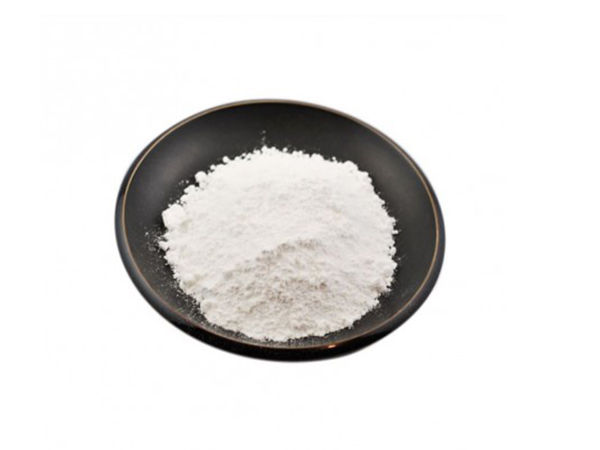
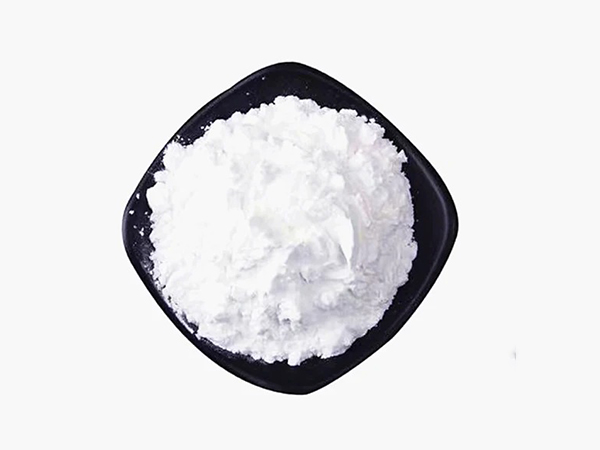
**Titanium Dioxide: A Versatile Compound Shaping Industry and Innovation**Titanium dioxide (TiO2) is one of the most widely used white pigments globally, prized for its brightness, high refractive index, and exceptional durability. This versatile compound plays an essential role across various industries, including paints and coatings, plastics, cosmetics, paper, and even food products. As demand for superior quality and sustainable materials grows, titanium dioxide continues to cement its position as an indispensable material in modern manufacturing and technology.### The Multifaceted Uses of Titanium Dioxide**1. Paints and Coatings**Titanium dioxide’s primary application remains in the paints and coatings industry, where it enhances whiteness, opacity, and durability. Its high refractive index means it can scatter visible light effectively, providing superior coverage and brightness even at low concentrations. This property reduces the amount of paint required, making products more cost-effective and environmentally friendly. Furthermore, titanium dioxide improves paint resistance to UV degradation, thereby prolonging the life and vibrancy of outdoor applications.**2. Plastics Industry**In plastics, titanium dioxide is widely used to improve whiteness and opacity of materials such as polyethylene, polypropylene, and polystyrene. Besides its aesthetic benefits, it also imparts greater resistance to UV light and weathering, which is crucial for plastic products intended for outdoor use. The compound’s stability under high processing temperatures makes it ideal for incorporation into various plastic applications that require durability and appearance retention.**3. Cosmetics and Personal Care**Titanium dioxide is a key ingredient in many personal care products, particularly in sunscreens and makeup. Its ability to reflect and scatter UV radiation makes it highly effective as a physical sunscreen agent, providing broad-spectrum protection against harmful UVA and UVB rays without absorption into the skin. Additionally, its whitening and opacity properties contribute to the formulation of foundations, powders, and other cosmetics that demand smooth and consistent color tones.**4. Paper Industry**The paper industry benefits from titanium dioxide's ability to enhance brightness and opacity. When added during paper production, it improves the printability and quality of paper products, including high-grade printing papers, packaging materials, and specialty papers. Its inertness and stability ensure that these improvements are maintained over time without compromising the paper’s physical properties.**5. Food and Pharmaceuticals**In the food industry, titanium dioxide serves as a colorant (designated as E171 in some regions), providing whiteness and opacity to confectionery, chewing gum, dairy products, and sauces. In pharmaceuticals, it’s commonly used in tablet coatings to improve appearance and aid in dosage identification. However, regulatory scrutiny regarding its safety in food applications has increased, prompting manufacturers to explore safer and alternative uses.### Sustainability and Innovation in Titanium Dioxide ProductionWith increasing environmental awareness, the titanium dioxide industry has taken significant steps to improve sustainability. Modern production methods focus on reducing carbon emissions, minimizing waste, and enhancing energy efficiency. Innovations such as using chloride processes over sulfate routes have reduced hazardous byproducts and improved purity levels. Additionally, companies are investing in developing nano-sized titanium dioxide particles that offer enhanced functionality with lower material usage, particularly in coatings and cosmetics.### Introduction to the Company{} is a leading enterprise dedicated to the production and supply of high-quality titanium dioxide products. With a commitment to innovation, sustainability, and customer satisfaction, {} has established itself as a trusted name within the global materials market. Backed by state-of-the-art manufacturing facilities and rigorous quality control systems, the company offers a range of titanium dioxide grades tailored for specific industry needs—from ultra-fine powders for cosmetics to robust pigments for industrial coatings.By integrating cutting-edge research and development with environmentally responsible practices, {} drives forward the advancement of titanium dioxide applications. The company’s focus on collaboration with customers ensures solutions are not only effective but also aligned with evolving regulatory standards and market trends.### Future OutlookLooking ahead, the demand for titanium dioxide is projected to continue growth, fueled by expanding markets in Asia-Pacific and increasing applications in emerging technologies. For instance, titanium dioxide’s photocatalytic properties are being harnessed in air and water purification, self-cleaning surfaces, and antimicrobial coatings—areas that promise to redefine industry standards and contribute to sustainable development goals.As companies like {} leverage their expertise and innovation capabilities, titanium dioxide will remain a cornerstone material contributing to diverse sectors. With ongoing research into safer, more efficient, and eco-friendly uses, the future of titanium dioxide is bright, reflecting both its inherent physical brilliance and its critical role in advancing industrial progress worldwide.---*For more detailed information on titanium dioxide products and industry insights, please contact {} directly.*

Read More

Chemical Structure of Titanium Explained: Properties and Applications

By:Admin on 2026-02-02 03:03:42

**The Chemical Structure of Titanium: Unlocking the Potential of a Remarkable Element**Titanium is a fascinating element with unique chemical and physical properties that have made it an essential material across numerous industries. Distinguished by its exceptional strength-to-weight ratio, corrosion resistance, and biocompatibility, titanium continues to be at the forefront of innovation in aerospace, medical devices, automotive manufacturing, and more. In this article, we explore the chemical structure of titanium, its properties, and the broad range of applications driven by these characteristics.### Understanding the Chemical Structure of TitaniumTitanium is a transition metal with the atomic number 22 and the symbol Ti on the periodic table. It belongs to group 4 and period 4, characterized by a d-block electronic configuration of [Ar] 3d² 4s². This electronic structure contributes to its high strength and ability to form stable compounds.At the atomic level, titanium exhibits a hexagonal close-packed (hcp) crystal structure at room temperature, known as the alpha (α) phase. When heated above 882 degrees Celsius, titanium transforms into a body-centered cubic (bcc) structure, referred to as the beta (β) phase. This polymorphism is a fundamental aspect that allows titanium alloys to be tailored for specific mechanical properties by controlling the microstructure through heat treatment and alloying elements.The chemical bonding in titanium is primarily metallic, involving the overlap of s and d orbitals. However, titanium is also capable of forming strong covalent bonds in compounds such as titanium dioxide (TiO₂). TiO₂ is notable for its wide bandgap and photocatalytic properties, making it useful in applications ranging from pigments to solar cells.### Key Properties Derived from Titanium’s Chemical StructureThe intrinsic properties of titanium stem directly from its atomic arrangement and bonding:- **High Strength-to-Weight Ratio:** Titanium’s metallic bonding and solid crystal structure give it a tensile strength comparable to many steels but at nearly half the weight. This property is vital in aerospace and automotive applications where material weight reduction improves fuel efficiency and performance.- **Corrosion Resistance:** Titanium forms a naturally occurring, stable oxide layer (TiO₂) on its surface, which protects it from further oxidation and corrosion. This makes it highly resistant to harsh environments, including seawater, acids, and chlorine.- **Biocompatibility:** Unlike many metals, titanium’s oxide layer is biocompatible, meaning it does not cause adverse reactions when implanted in the human body. As a result, titanium is widely used in medical implants, dental devices, and surgical instruments.- **Thermal Stability:** Titanium maintains strength and stability at elevated temperatures, especially in its beta phase, supporting its use in engine components and high-performance equipment.### Applications Fueled by Titanium’s ChemistryThe unique chemical and physical properties of titanium have enabled its widespread application across many fields:- **Aerospace:** The aerospace industry relies heavily on titanium alloys for aircraft frames, turbine engines, and structural components. Its combination of light weight, strength, and corrosion resistance makes it ideal for withstanding the extreme conditions encountered in flight.- **Medical Devices:** Titanium’s biocompatibility and strength support its use in orthopedic implants, dental implants, pacemakers, and surgical tools. Its ability to fuse with bone (osseointegration) improves the longevity and success of medical implants.- **Chemical Processing:** Titanium’s resistance to corrosion from acids and chemicals makes it indispensable in chemical plants, where it is used for heat exchangers, reactors, and piping systems.- **Automotive:** The drive for lightweight, durable components in vehicles has led to the incorporation of titanium alloys in engine valves, connecting rods, and exhaust systems.- **Consumer Products:** Titanium’s strength, durability, and aesthetic appeal have fueled its use in watches, eyewear frames, and sports equipment.### Innovations and Future ProspectsExploration of titanium’s chemical structure continues to inspire new developments. Researchers are engineering novel titanium alloys with enhanced properties by alloying it with elements such as aluminum, vanadium, molybdenum, and iron. These advanced alloys exhibit tailored combinations of strength, toughness, and temperature resistance.In addition to structural materials, titanium compounds like titanium dioxide are revolutionizing clean energy technologies. TiO₂’s photocatalytic properties enable new approaches to water purification, air pollution control, and solar energy conversion.The expanding use of additive manufacturing (3D printing) with titanium alloys is also opening doors to intricate, lightweight designs that reduce waste and cost while enhancing performance.### About the Company[Company introduction goes here]As a leader in the field of advanced materials, the company has embraced the potential of titanium to develop cutting-edge alloys and components tailored to the demanding requirements of modern industry. Through investing in research and collaboration with industry partners, the company drives innovation in aerospace, healthcare, and beyond, leveraging titanium’s unique chemical structure to create stronger, lighter, and more durable products.The company’s commitment to sustainability and material efficiency further aligns with the evolving global emphasis on environmentally responsible manufacturing. By harnessing titanium’s inherent properties, the company is well-positioned to meet the needs of a future where performance and sustainability go hand in hand.### ConclusionTitanium’s chemical structure underpins its remarkable properties and makes it one of the most versatile and valuable metals in the modern world. From aerospace engineering to medical innovation, its strength, corrosion resistance, and biocompatibility empower applications that improve lives and transform industries. As research continues to unlock new potentials in alloy development and compound utilization, titanium’s role in shaping the future of advanced materials remains assured.With pioneering efforts from companies committed to material science excellence, titanium stands at the heart of innovation, promising performance solutions that balance strength, lightness, and sustainability for years to come.

Read More

High Durability Products Offer Long-Lasting Performance

By:Admin on 2026-01-26 02:58:43

Certainly! Please provide the company introduction text you'd like me to incorporate into the news article.

Read More