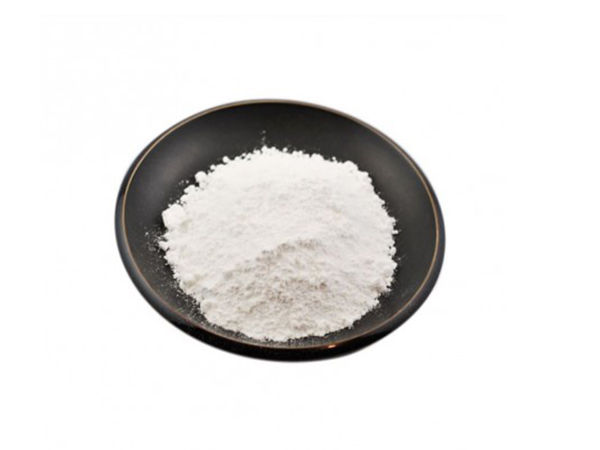
**Titanium Dioxide Pigment: A Vital Component Across Industries**Titanium dioxide (TiO2) pigment is one of the most widely used and versatile materials in various industrial and consumer applications. Renowned for its exceptional brightness, whiteness, and superior opacity, titanium dioxide has become an indispensable pigment in numerous products, from paints and coatings to plastics, paper, and cosmetics. Its unique properties make it a critical ingredient in enhancing product quality and performance.**Understanding Titanium Dioxide Pigment**Titanium dioxide is a naturally occurring oxide of titanium, known for its excellent light scattering capabilities. This characteristic imparts vivid whiteness and brightness, making TiO2 an ideal pigment for achieving opacity and color consistency in materials. Its chemical stability, non-toxicity, and resistance to ultraviolet (UV) radiation further contribute to its widespread adoption.Manufactured through two primary processes—the sulfate process and the chloride process—titanium dioxide pigment is produced in various forms such as rutile and anatase, each with specific applications based on durability and performance requirements.**Key Applications of Titanium Dioxide Pigment**1. **Paints and Coatings** The largest consumer of titanium dioxide pigment is the paints and coatings industry. TiO2 enhances whiteness, brightness, and opacity, which improves coverage and reduces the amount of paint required. Its UV resistance also protects surfaces from degradation caused by sunlight, prolonging the life of exterior paints.2. **Plastics** In plastics manufacturing, titanium dioxide is widely used as a white pigment and opacifier. It improves the opacity and brightness of plastic products, including packaging materials, household items, and automotive parts. Additionally, TiO2 enhances the durability and weather resistance of plastic goods.3. **Paper Industry** Titanium dioxide is used in the paper industry as a coating pigment to increase brightness and opacity, resulting in higher quality paper products. It improves printing quality and reduces the amount of fiber needed, offering both economic and environmental benefits.4. **Cosmetics and Personal Care** Due to its non-toxic nature and exceptional UV blocking properties, titanium dioxide is frequently used in sunscreens, makeup, and other personal care products. It protects skin from harmful UV rays and serves as a whitening and brightening agent in cosmetics.5. **Food Industry** Titanium dioxide is also used as a food additive to enhance the whiteness and brightness of products like candies, chewing gum, and dairy items. It is recognized as safe in regulated quantities, offering aesthetic appeal without compromising product safety.6. **Other Applications** Beyond these primary uses, titanium dioxide pigment finds its way into inks, ceramics, textiles, and even electronics, broadening its impact across various sectors.**Industry Outlook and Innovation**The demand for titanium dioxide pigment continues to grow in response to rising construction activity, increasing consumer demands for aesthetics and durability, and expanding applications in emerging economies. Innovations in pigment formulations and processing technologies are improving the efficiency, performance, and sustainability of titanium dioxide pigments.Efforts to reduce the environmental footprint of TiO2 production include enhancing energy efficiency in manufacturing, developing novel pigment variants with lower environmental impact, and improving recyclability in end-use products.**Company Introduction**[Company Name] is a leading manufacturer and supplier of high-quality titanium dioxide pigments, catering to multiple industries worldwide. With decades of experience and a commitment to innovation, the company has established itself as a trusted partner in delivering superior pigment solutions. Utilizing state-of-the-art technology and adhering to stringent quality control measures, [Company Name] ensures that its titanium dioxide products meet the exacting standards of customers across sectors.[Company Name]'s product portfolio includes a diverse range of TiO2 pigments tailored for specific applications such as paints and coatings, plastics, paper, and personal care products. The company’s research and development team continuously works to enhance pigment performance while advancing sustainable production methods. By prioritizing environmental responsibility and customer satisfaction, [Company Name] contributes to the growth and success of its clients.**Conclusion**Titanium dioxide pigment remains a fundamental component in various industries due to its remarkable properties of whiteness, brightness, opacity, and durability. As demand grows and technologies evolve, the pigment’s role in improving product quality and sustainability is more significant than ever. Companies supplying titanium dioxide pigments play a critical role in advancing innovation and meeting the dynamic needs of global markets.With its robust product offerings and dedication to excellence, [Company Name] stands at the forefront of the titanium dioxide pigment industry, poised to support ongoing development and environmental stewardship in this vital sector.
Read More